
Phase IA Launches Critical Infrastructure for Seven Communities
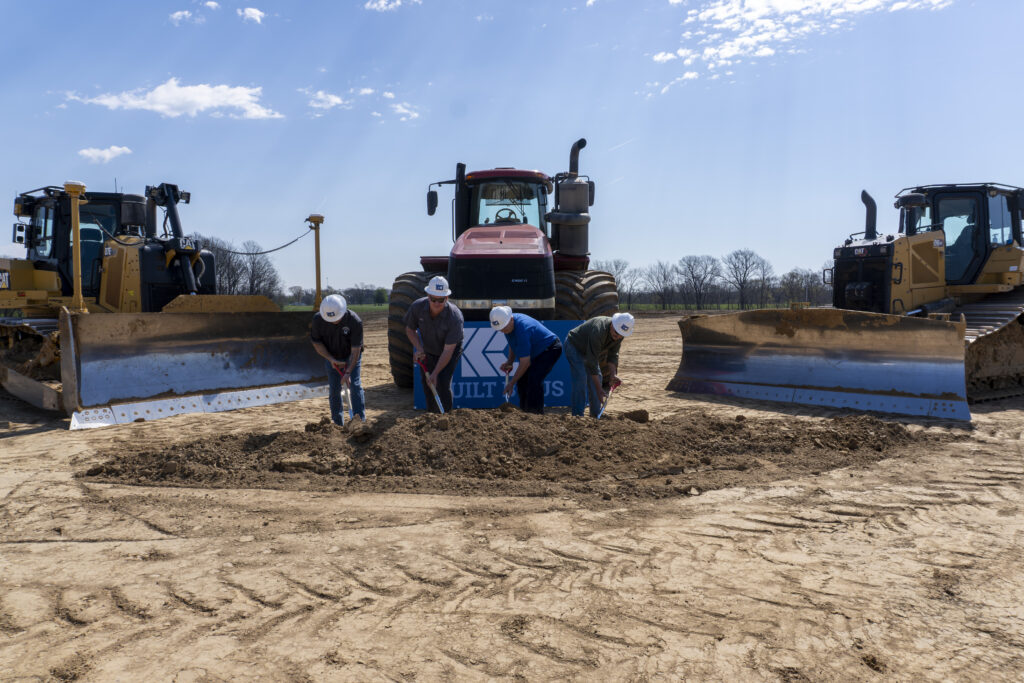
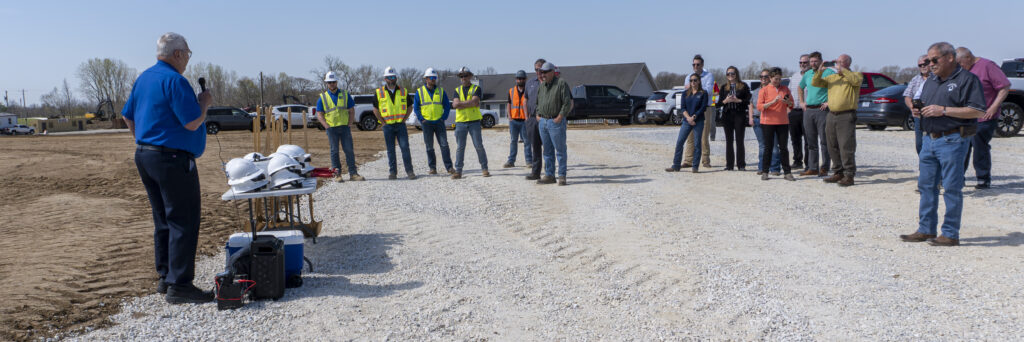
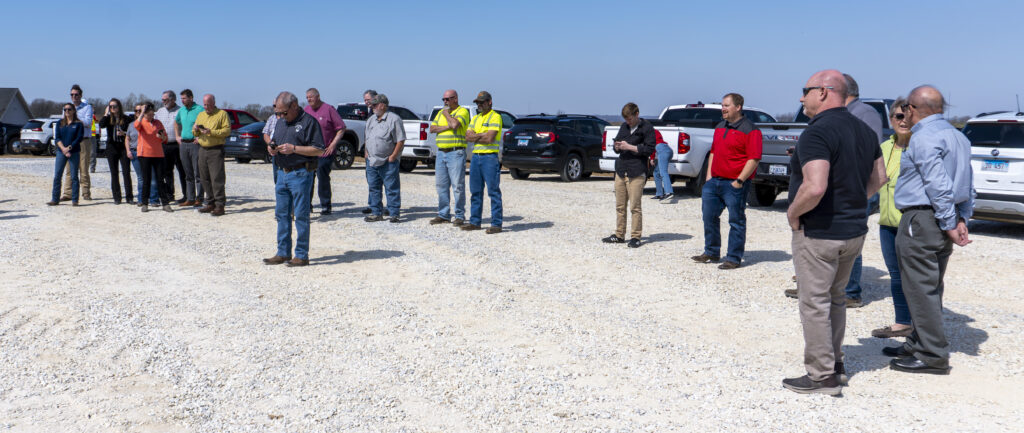
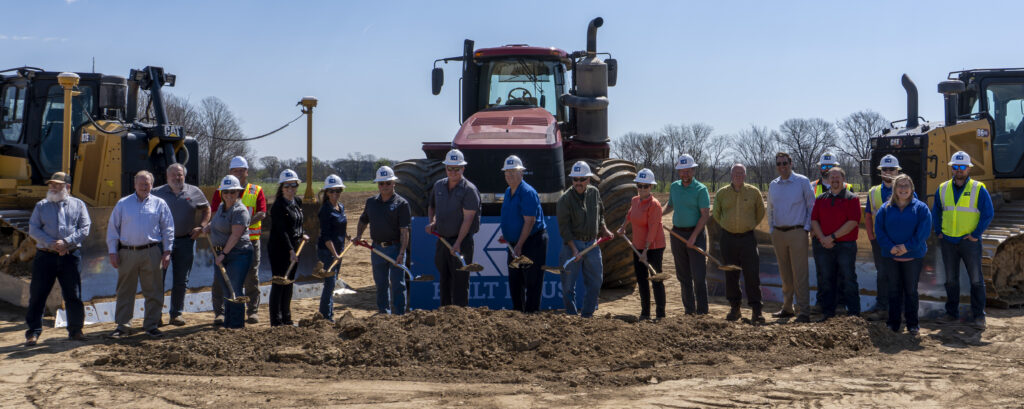
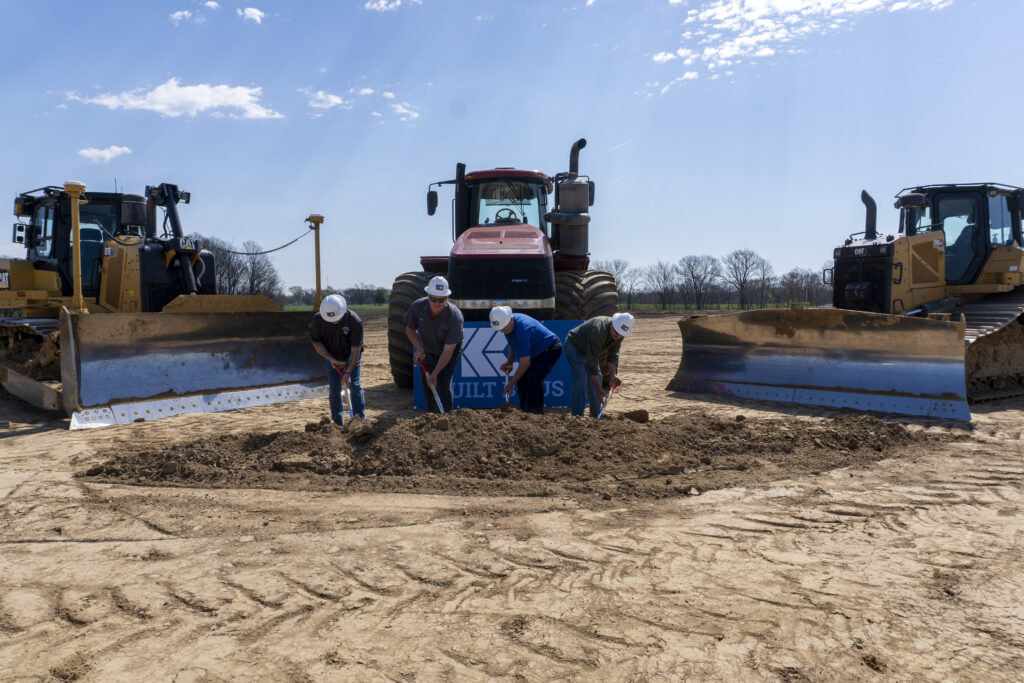
JERSEY COUNTY, IL — April 9, 2026 — Illinois Alluvial Regional Water Company, Inc. (IARWC) today marked the ceremonial groundbreaking of Phase IA of its multi‑phase regional water supply project, a major infrastructure investment designed to provide a more stable, abundant, and locally controlled water source for seven member communities across Jersey and Macoupin Counties.
The project serves the City of Carlinville, Village of Dorchester, Village of Fieldon, Central Macoupin County Rural Water District, City of Bunker Hill, Jersey County Rural Water Company, and Fosterburg Water District—a diverse partnership of municipalities, villages, public water districts, and not‑for‑profit entities united around a shared regional solution.
Phase IA is the first of four planned phases and includes construction of:
- New groundwater wells
- A raw water transmission main from the well to a new treatment facility
- A regional water treatment plant utilizing lime softening and Claricone treatment technology
- A finished water transmission main extending from the treatment plant to the St. Mary’s Road corridor
Construction is located primarily along the 14000 block of Illinois Route 16, with well facilities situated in the river bottoms just west of Illinois Route 100, near the Route 16 intersection.
The project is engineered by MECO-Heneghan Engineers, LLC and is supported by USDA Rural Development.
Local, state, and federal partners participating in the event included representatives from the communities served as well as federal leadership offices, including Congresswoman Nikki Budzinski.
Unlike centralized or externally managed systems, IARWC operates under local control, allowing communities to directly address operational concerns, cost impacts, and long‑term planning through their governing board. This locally driven structure enables responsiveness while maintaining a strong focus on cost containment and water quality.
“This project is about long‑term reliability and local accountability,” IARWC representatives noted. “While water infrastructure costs are rising nationwide, every effort has been made to anticipate future challenges and keep costs as stable as possible while delivering a high‑quality product for our member communities.”
Phase IA represents a critical step in transitioning regional systems from more vulnerable surface water supplies to a plentiful and dependable groundwater source, ensuring resilience for decades to come.
